Podcast
Eine Zukunft ist nicht genug: Vom Lernen in und über Zukünfte
insights. magazin
Entry
Free
DE
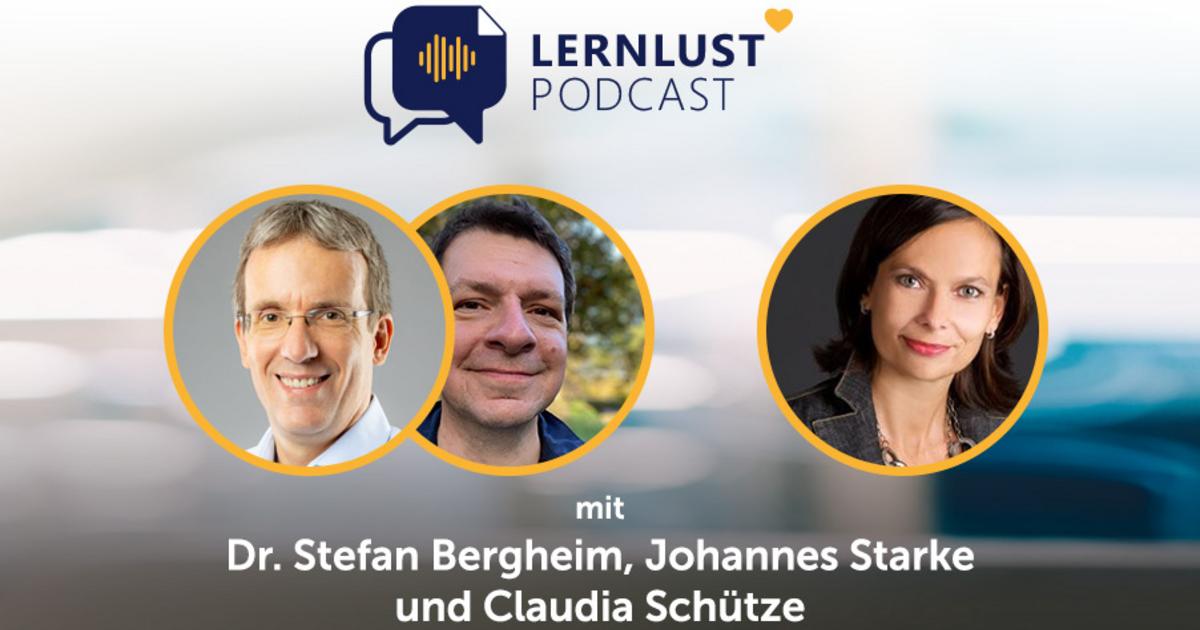
This is an episode of LernLust, a corporate learning podcast by tts, featuring Dr. Stefan Bergheim (economist, director of "Zentrum für gesellschaftlichen Fortschritt") in conversation with hosts Claudia Schütze and Johannes Starke.
Core topic: Futures Literacy (Zukunftebildung) — the competency of working with multiple futures (Zukunfte, plural) using diverse methods, and specifically the Futures Lab (Zukunftelabor) method.
Key content:
Why "Zukunfte" (plural)? — The future doesn't exist; only our imaginations of it do. Each person holds multiple futures (probable, desirable). Making this plurality visible is the core mission.
Futures Literacy vs. Future Skills: Future Skills = skills needed in the future. Futures Literacy = the specific competency of working with futures — matching methods to purposes.
The Futures Lab method (4 phases):
Aufdecken (Uncovering): Participants surface their expected and desired futures individually, then in groups. Reveals assumptions ("the box we think in").
Alternative futures: Groups develop radically different futures outside their usual thinking — sparks creativity, often playful.
Comparison & questions: Lay all futures side by side, identify gaps, formulate powerful questions.
Action: Translate insights into concrete next steps or projects.
Practical experience: Claudia and Johannes participated in a mini-lab on "Zukunft des Lernens in Unternehmen" (Future of Corporate Learning). Results ranged from near-term ideas (open learning circles as recruiting tools) to far-out visions (knowledge via brain chips). The method unlocked creativity quickly and fostered genuine dialogue across silos.
Other methods mentioned: Future Search (for controversial multi-stakeholder contexts), vision processes, Lego Serious Play, improvisational theatre techniques, artistic artefacts, games.
Key takeaways: Evaluation-free creativity, genuine dialogue (not debate), embracing complexity, long time horizons (15-20 years) to escape current constraints, learning from futures not just about them.
Core topic: Futures Literacy (Zukunftebildung) — the competency of working with multiple futures (Zukunfte, plural) using diverse methods, and specifically the Futures Lab (Zukunftelabor) method.
Key content:
Why "Zukunfte" (plural)? — The future doesn't exist; only our imaginations of it do. Each person holds multiple futures (probable, desirable). Making this plurality visible is the core mission.
Futures Literacy vs. Future Skills: Future Skills = skills needed in the future. Futures Literacy = the specific competency of working with futures — matching methods to purposes.
The Futures Lab method (4 phases):
Aufdecken (Uncovering): Participants surface their expected and desired futures individually, then in groups. Reveals assumptions ("the box we think in").
Alternative futures: Groups develop radically different futures outside their usual thinking — sparks creativity, often playful.
Comparison & questions: Lay all futures side by side, identify gaps, formulate powerful questions.
Action: Translate insights into concrete next steps or projects.
Practical experience: Claudia and Johannes participated in a mini-lab on "Zukunft des Lernens in Unternehmen" (Future of Corporate Learning). Results ranged from near-term ideas (open learning circles as recruiting tools) to far-out visions (knowledge via brain chips). The method unlocked creativity quickly and fostered genuine dialogue across silos.
Other methods mentioned: Future Search (for controversial multi-stakeholder contexts), vision processes, Lego Serious Play, improvisational theatre techniques, artistic artefacts, games.
Key takeaways: Evaluation-free creativity, genuine dialogue (not debate), embracing complexity, long time horizons (15-20 years) to escape current constraints, learning from futures not just about them.